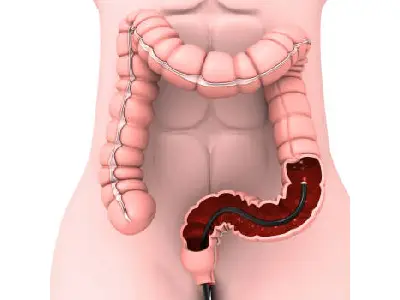
A sigmoidoscopy is a medical procedure used to examine the inside of the rectum and the lower part of the colon, known as the sigmoid colon. It is a diagnostic tool that provides visualization of the lower gastrointestinal tract and is used to detect and evaluate various colorectal conditions. Here’s an overview of what happens during a sigmoidoscopy:
- Preparation: Unlike a colonoscopy, which examines the entire colon, a sigmoidoscopy focuses on the lower part of the colon. Therefore, the preparation for a sigmoidoscopy is less extensive. Patients may be asked to follow a special diet and use an enema or laxative to empty the lower colon and rectum.
- Sedation: Sigmoidoscopies are often performed without sedation, as the procedure is generally less uncomfortable compared to a colonoscopy. However, some patients may receive mild sedation or pain relief if they are anxious or have a low pain tolerance.
- Insertion of the Sigmoidoscope: The procedure begins with the patient lying on their left side. A sigmoidoscope, which is a flexible tube with a camera and light at its tip, is gently inserted into the rectum and advanced through the sigmoid colon. The camera sends real-time images to a monitor for the healthcare provider to view.
- Visualization and Examination: The sigmoidoscope allows the doctor to examine the lining of the rectum and the sigmoid colon. It is used to detect conditions such as inflammation, bleeding, polyps, and tumors in this area.
- Biopsy and Treatment: During a sigmoidoscopy, the doctor can take tissue samples (biopsies) if they come across any suspicious areas. Biopsies can help diagnose specific conditions or determine the presence of cancer. In some cases, certain treatments can be performed during the procedure, such as removing small polyps.
- Withdrawal of the Sigmoidoscope: Once the examination, biopsies, and any necessary treatments are completed, the sigmoidoscope is carefully withdrawn. The procedure typically takes about 10 to 20 minutes, depending on the findings and any interventions performed.
- Recovery: After the sigmoidoscopy, patients can usually resume their normal activities, as sedation is often not used. Some individuals may experience minor discomfort or bloating, which should subside quickly.
- Post-Procedure Care: The doctor will discuss the findings with the patient and may provide recommendations for follow-up, including additional tests or treatments if necessary.
Sigmoidoscopy is a valuable tool for diagnosing and monitoring colorectal conditions, especially those located in the lower part of the colon and rectum. It is often used as a screening tool for colorectal cancer, especially when there is a lower risk or when a full colonoscopy is not necessary. However, it does have limitations because it only examines a portion of the colon. If abnormalities are found during a sigmoidoscopy, further evaluation with a colonoscopy may be recommended to examine the entire colon. Like any medical procedure, there are some risks involved, including bleeding and perforation, though they are relatively rare with sigmoidoscopy. Patients should follow their healthcare provider’s instructions for preparation and recovery to ensure a successful sigmoidoscopy.