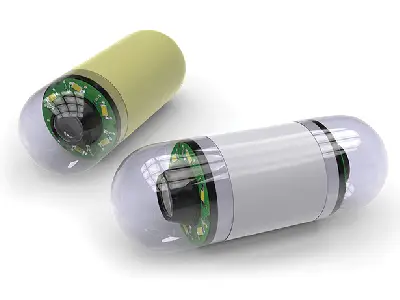
Capsule endoscopy is a medical procedure used to visualize and examine the gastrointestinal (GI) tract, specifically the small intestine. It is a minimally invasive and painless procedure that involves swallowing a small, capsule-sized camera, which is equipped with a light source and a transmitter. As the capsule passes through the digestive system, it captures high-quality images of the interior of the small intestine and sends these images wirelessly to a data receiver worn by the patient
Here are the key steps and information about capsule endoscopy:
- Preparation: Before undergoing capsule endoscopy, patients may be required to follow specific dietary restrictions and fasting instructions to ensure the small intestine is as clean as possible for clear imaging. Some medications or supplements may also need to be temporarily stopped.
- Swallowing the Capsule: The patient swallows the small capsule, usually with a glass of water. The capsule is designed to be easily ingested and is approximately the size of a large vitamin pill.
- Imaging Process: As the capsule travels through the digestive tract, it captures thousands of images per second using a tiny camera. The images are transmitted to a data receiver or recorder worn on the patient’s body, typically in a belt or vest.
- Monitoring: The patient goes about their normal activities while wearing the receiver. It’s essential to follow the healthcare provider’s instructions during this time, which may include avoiding certain activities like strenuous exercise.
- Retrieval and Analysis: After approximately 8 to 72 hours (depending on the specific capsule used), the patient returns to the healthcare provider’s office to have the receiver removed. The images are then downloaded and analyzed by a medical specialist.
Capsule endoscopy is particularly useful for diagnosing conditions and disorders in the small intestine, where traditional endoscopic methods like upper endoscopy and colonoscopy are not effective.
Some common reasons for performing capsule endoscopy include:
- Obscure gastrointestinal bleeding: Capsule endoscopy can help identify the source of unexplained bleeding in the small intestine.
- Suspected Crohn’s disease: It can be used to visualize and assess the extent of inflammation in the small intestine, which is often seen in Crohn’s disease.
- Evaluation of small bowel tumors: Capsule endoscopy can provide detailed images of tumors or abnormalities in the small intestine.
- Monitoring of chronic conditions: It can be used to assess the progression of conditions like celiac disease.
Capsule endoscopy is generally considered safe, but there are some potential risks, such as capsule retention (where the capsule gets stuck in the digestive tract), which is more likely in patients with a history of bowel strictures or surgery. As with any medical procedure, it’s important to discuss the potential risks and benefits with your healthcare provider. Capsule endoscopy is a valuable tool for diagnosing and monitoring certain gastrointestinal conditions, providing detailed visual information that can aid in treatment planning and decision-making.