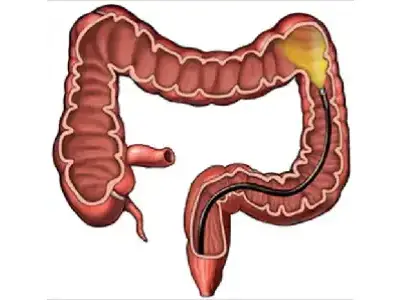
A colonoscopy is a medical procedure used to examine the inside of the large intestine (colon) and the rectum. It is a valuable tool for both diagnostic and therapeutic purposes, allowing healthcare providers to detect and treat various conditions of the colon and rectum. Here’s an overview of what happens during a colonoscopy:
- Preparation: In the days leading up to the colonoscopy, patients are typically asked to follow a specific diet and drink a laxative solution to empty the colon. This thorough cleansing of the colon is essential for a clear and effective examination.
- Sedation: Most colonoscopies are performed with the patient under conscious sedation or anesthesia to ensure comfort and relaxation during the procedure. The level of sedation may vary depending on the patient’s preferences and medical condition.
- Insertion of the Colonoscope: The procedure begins with the patient lying on their left side. A colonoscope, which is a long, flexible tube with a camera and light at its tip, is gently inserted into the rectum and advanced through the colon. The camera sends real-time images to a monitor for the healthcare provider to view.
- Visualization and Examination: The colonoscope allows the doctor to carefully examine the entire length of the colon and rectum. It helps identify various conditions such as colorectal cancer, polyps (precancerous growths), inflammation, diverticulosis, and other structural abnormalities.
- Biopsy and Treatment: During a colonoscopy, the doctor can take tissue samples (biopsies) if they encounter any suspicious areas. Biopsies can help diagnose conditions and determine the presence of cancer or other diseases. Additionally, certain treatments can be performed during the procedure, such as removing polyps or treating bleeding sites.
- Withdrawal of the Colonoscope: Once the examination, biopsies, and any necessary treatments are completed, the colonoscope is carefully withdrawn. The entire procedure typically takes about 30 minutes to an hour, but it can vary depending on factors such as the patient’s anatomy and any findings.
- Recovery: After the colonoscopy, patients are monitored until they are fully awake. Some individuals may experience bloating or mild discomfort, but these symptoms usually resolve quickly. You may need someone to accompany you home if you received anesthesia or sedation.
- Post-Procedure Care: The doctor will discuss the findings with the patient and may provide recommendations for follow-up, which can include regular screenings, surveillance for high-risk individuals, or additional treatments if necessary.
Colonoscopies are crucial for the early detection and prevention of colorectal cancer, one of the most common and preventable cancers. They are also used to investigate and manage various gastrointestinal conditions. While colonoscopies are generally considered safe, there are some risks associated with the procedure, including bleeding and perforation of the colon, although these complications are rare. Patients should follow their healthcare provider’s instructions for preparation and recovery to ensure a successful colonoscopy.